

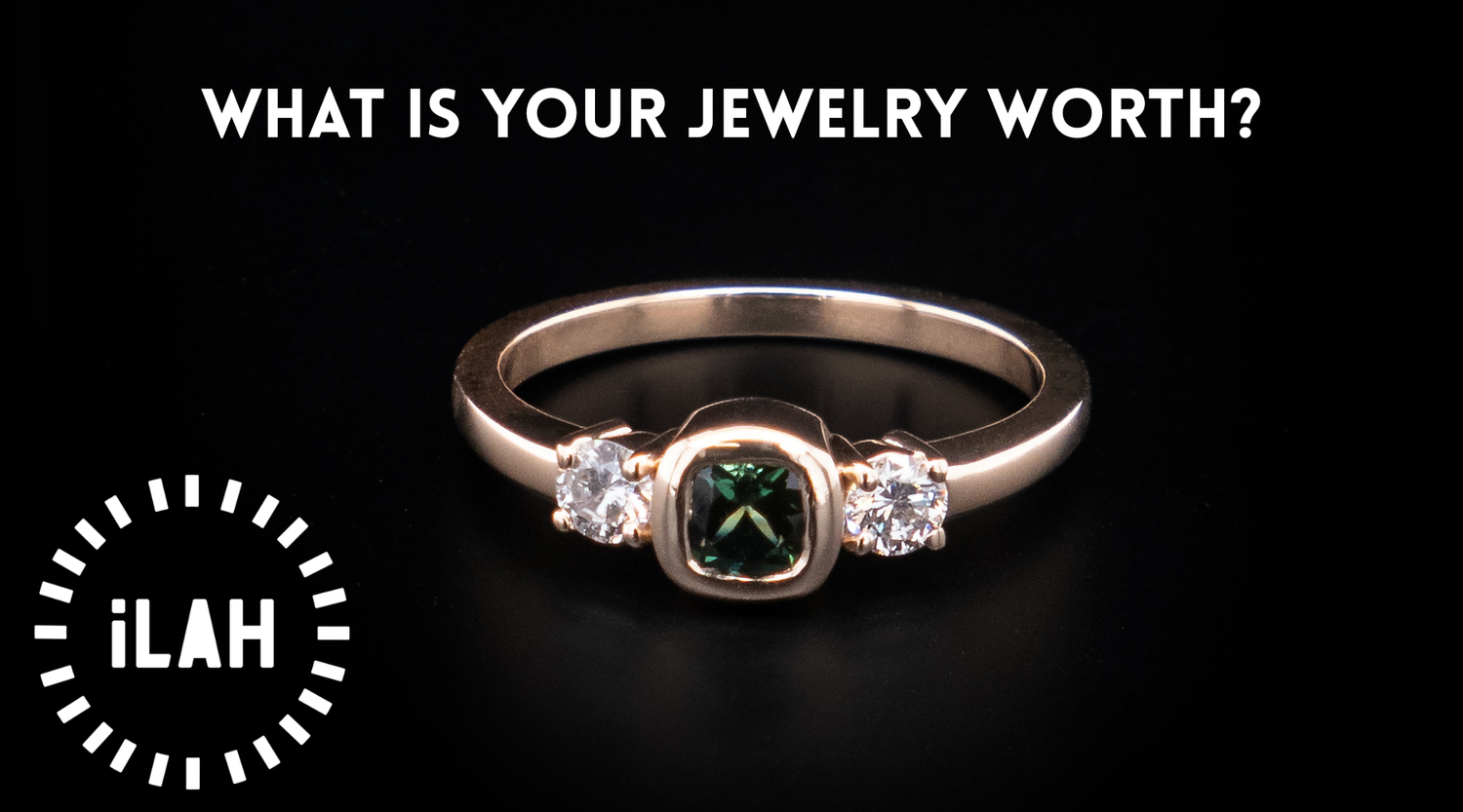
For What It Is Worth
A Facebook post caught my eye recently — someone asking for a jeweler recommendation because they had some old pocket watches and pearls and wanted to know what they were worth. I get this question all the time. And my first response is always the same: Why?
That might sound like an odd thing to ask, but the reason is simple: there are so many different kinds of value. The answer changes entirely depending on what you're actually trying to find out.
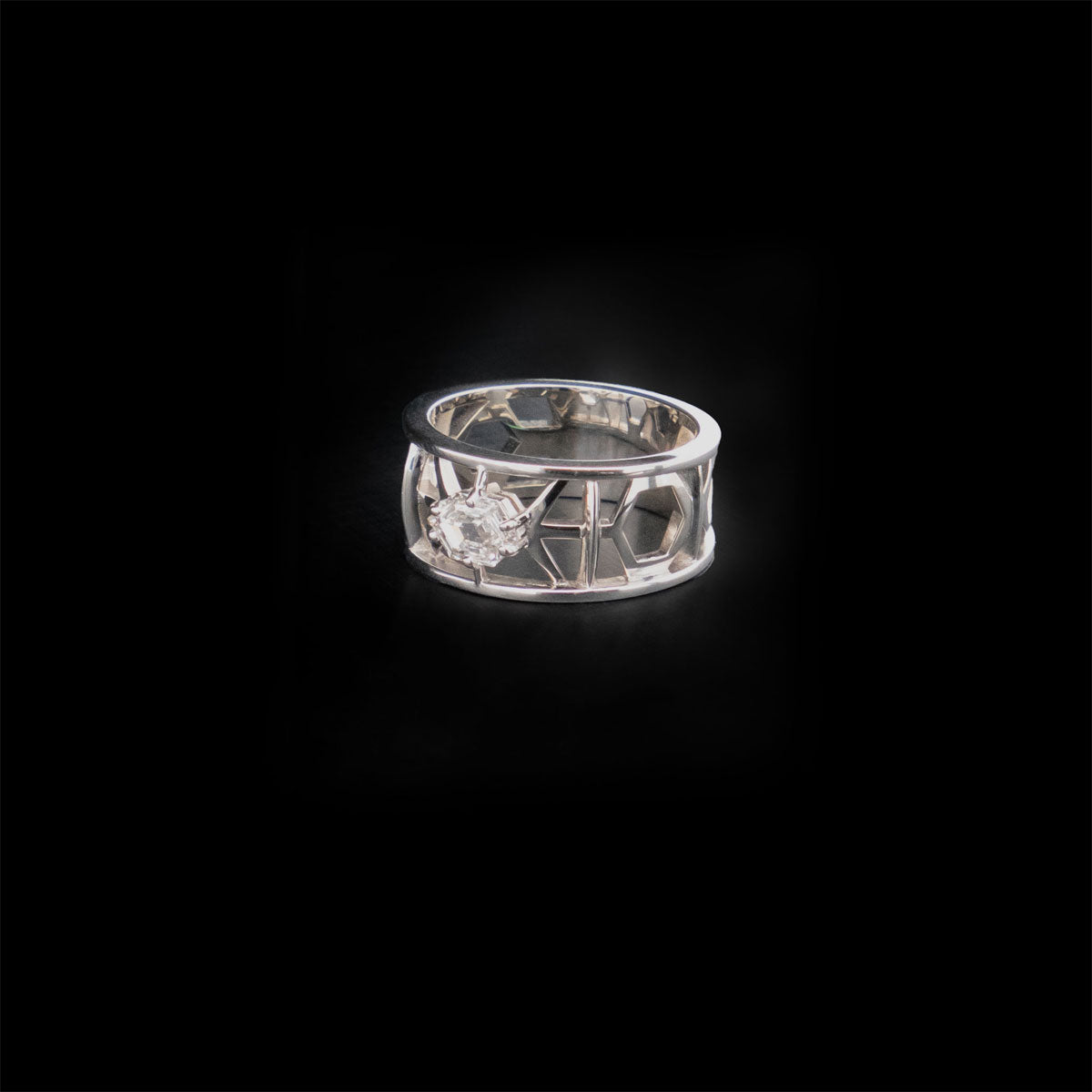
When you buy an engagement ring, it carries a retail price. But if you work with an artist — someone like me — and the piece has design elements specific to you, it will likely cost more than something pulled off the shelf. Those customizations are only worth anything to you, though. You paid to get exactly what you wanted, and that has no effect on the actual market value of the piece.
For most jewelry, once it's in your hands, value really breaks down into three numbers:
The Three Values of Jewelry
Insurance value and retail price are essentially the same thing. If I make a ring and sell it to you for $5,000, you should insure it for $5,000 — enough so that if you lost it, you could have me make it again. Simple enough.
But no one is going to pay you $5,000 for your used engagement ring — no matter how extraordinarily beautiful the piece is. The moment you walk out the door, it is used, and resale value drops significantly. You might find someone willing to pay $1,500 for it. Maybe. If you break that ring into parts, the gold might scrap out to $150-$300 and the diamonds could range from $0 to who knows. There is no automatic number as to what you can sell a piece for because it is only about what someone else is willing to pay you.
So is it worth $5,000 or $1,500? Or is it priceless — the ring you proposed with, bound up in your love story? Because personal value is almost always disproportionate to what the market will offer.
If that $1,500 offer feels insulting, that tells you something important: the piece is worth more than that to you, and you should protect it accordingly. If it felt worth $5,000 when you paid for it — and still does — then insure it for $5,000. Honor that.
The honest truth is that until you are dealing with the kinds of pieces sold at auction for hundreds of thousands or millions of dollars, most jewelry is worth exactly what you believe it is worth to you, or what someone will pay you for it. Those are your two real numbers.
If you aren't planning on selling, and aren't worried about replacing it — just value what it means to you. Wear it and love it.

Leave a comment
This site is protected by hCaptcha and the hCaptcha Privacy Policy and Terms of Service apply.